tell hanoi i love her
"I dream of junks, oh, to sail away
Wash your feet on a beach in Ha Long Bay
My mother said once that's where dragons lay
Tell Hanoi I love her" No-no boy
How many days should I plan to spend in Vietnam?
There is so much to see across North & South Vietnam that I would recommend spending a minimum of 10 days, and if you have the time, planning for longer so that you can dive deeper into everything Vietnam has to offer!
3 days: Hanoi
2 days: Hoi An
2 days: Hue
3 days: Ho Chi Minh (including Mui Ne)
How do I get from the airport to the Old Quarter?
If you buy a SIM card / local Vietnamese number from the airport, you can download the app ‘Grab’ and order a taxi. Make sure you keep cash handy because a credit card might take a few moments to get verified. A grab will cost between 350000-400000 VND.
Alternatively, one can take an airport taxi. The official rate we found displayed was 15000 dong / per kilometer and the distance from the airport to the old quarter is 30 kilometers, amounting to 450000 VND.
Important things to keep in mind
Currency faux pas: If you’re coming from a country that doesn’t deal with a currency that has the big thousands (similar to pesos) be mighty aware as you’re giving notes and receiving change. Twice, we bungled up, once giving a note of 500,000 ($25) when we thought we were handing over 50,000 ($3) and while receiving change walking away with a 5000 instead of 50,000
Dress code: In Hanoi, while visiting sites such as the Ho Chi Minh Mausoleum, Ho Chi Minh Museum & St. Joseph Cathedral, there’s a strict dress code, they don’t allow sleeveless shirts.


$1100 per person
10
days
09/02/22-09/15/22
Getting There
Flight from Delhi, India to Hanoi, Vietnam
-
Duration: 4 hours
-
Airline: Vietjet
-
Cost: 15000 INR
Stay
-
Minerva Church: 3600 INR per night
-
Location: Fantastic location
-
Rating: 3.5 out of 5
Food Much
-
Banh Mi’s @ Banh Mi 25 on Hang Cá
Currency
VND - Vietnamese Dong
Info on Tickets
Hanoi
Ho Chi Minh Mausoleum
-
Entrance Fee: VND 25000 / $1.0
-
Timings: April-October: 7:30 - 10:30 am; November - March: 8:00 - 11:00 am
-
Time spent: 30 mins
Ho Chi Minh Museum
-
Entrance fees: Monday-Friday, Adult: 150000 VND / $6.40, Child: 100000 VND / $4.26; Weekend & Holidays, Adult: 200000 VND / $8.51, Child: 150000 VND / $6.40
-
Timings: 8:00 - 12:00 am, 2:00 - 4:30 pm
-
Time spent: 2 hours
Thâng Long Imperial citadel
-
Entrance fees: 30000 VND / $1.5; Students: 15000 VND / $0.6
-
Timings: 8 am - 5 pm
-
Time spent: 1-2 hours
Vietnam military museum
-
Entrance fees: 30000 VND / $1.
-
Timings: 8 - 11:30 AM / 1:00 - 4:30 pm
-
Time spent: 1 hour


Hanoi
Hanoi, in its vibrancy, out of the world food, & hustle bustle makes for a fantastic place to visit. I would recommend spending a minimum of 2/3 days in Hanoi and more if you are looking to immerse yourself in the city vibes, especially in the Old Quarter.
While in Hanoi, these are some of the main sights to visit
-
Old Quarters
-
Lake Hoan Kiem
-
Turtle Tower
-
Prison
-
Temple
-
St. Joseph’s Cathedral
-
Ho Chi Mausoleum
-
Ho Chi Museum
-
One pillar pagoda
-
Thâng Long Imperial citadel
-
Military Museum


Day 1:
Spend the day getting lost in the old quarter. Start by making your way to Lake Hoan Kiem, a central hub that brings everyone together for a whole lot of different activities such as tai chi, dances, and conjecture commencing as early as 6:00 am. In the middle of the lake, you will see the Turtle Tower, which has many legends, including commemorating Le Loi who liberated Vietnam from the Chinese in 1425. Tháp Rùa, in Vietnamese, played an integral role in the independence movement in 1945 as the Vietnamese flag adorned the tower multiple times as a sign of dissent towards the French.
As you’re walking around the lake, feel free to grab an egg coffee (cafe trung), a Hanoi special at Cafe Dinh, an old worn-out building which is very retro, & remains a local favorite. Eventually my go-to became coconut coffee (café cõt dùa), all simply delicious!
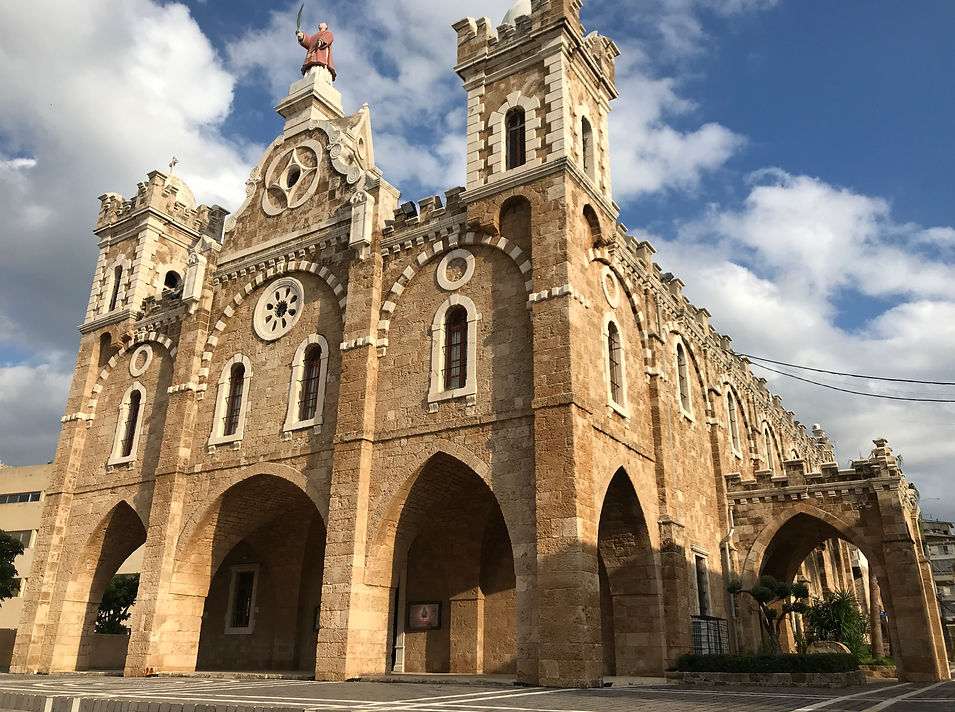
As you walk around you can peek into the Temple of Jade Mountain & Hoa Lo Prison Memorial. Wander the different streets that are full of character and find your way to the St. Joseph’s Cathedral. The oldest church in Hanoi (built in 1884 & completed in 1887 - 88), this gothic cathedral is a remnant of the French colonial Government.
As the evening sets in, make your way to Dong Xuan, the night market, which is filled with hubbub as you soak in the energies of the city. Culminate the day with a Bia Hanoi as you feel yourself becoming one with Hanoi.
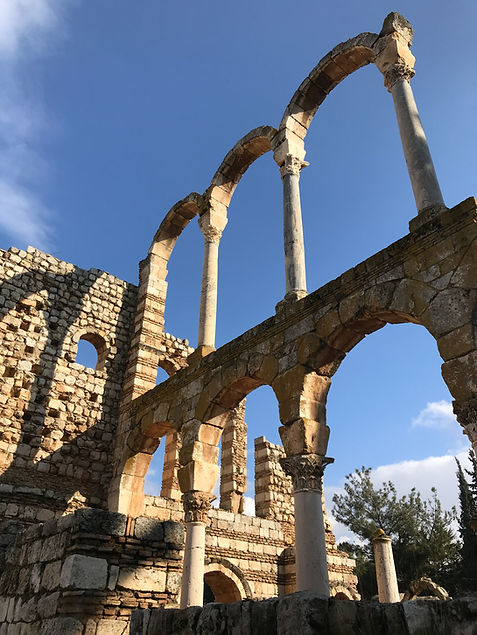
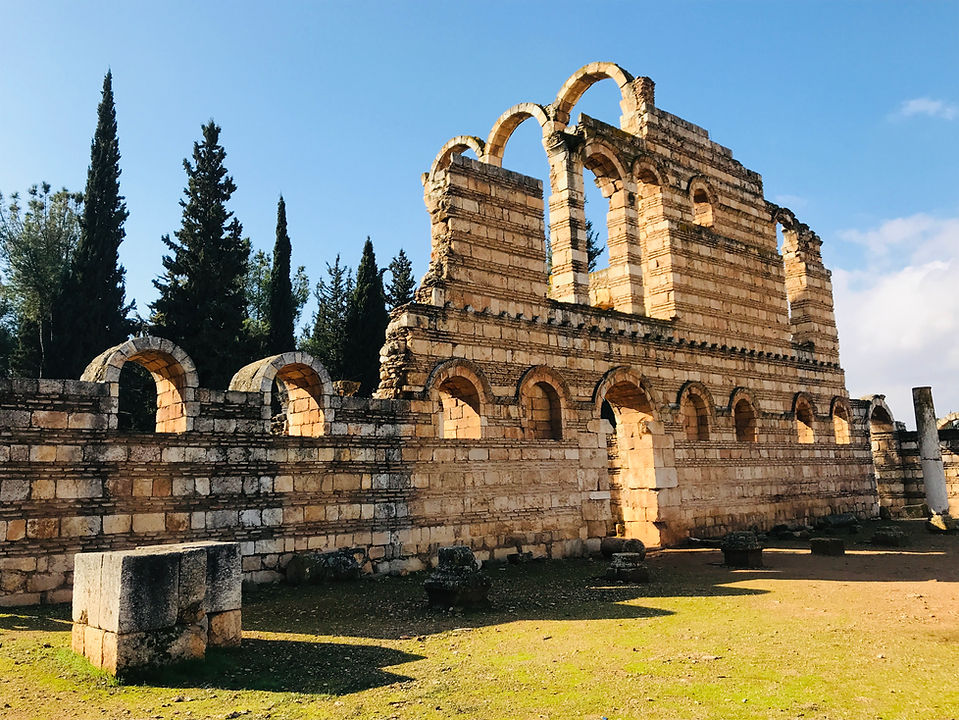
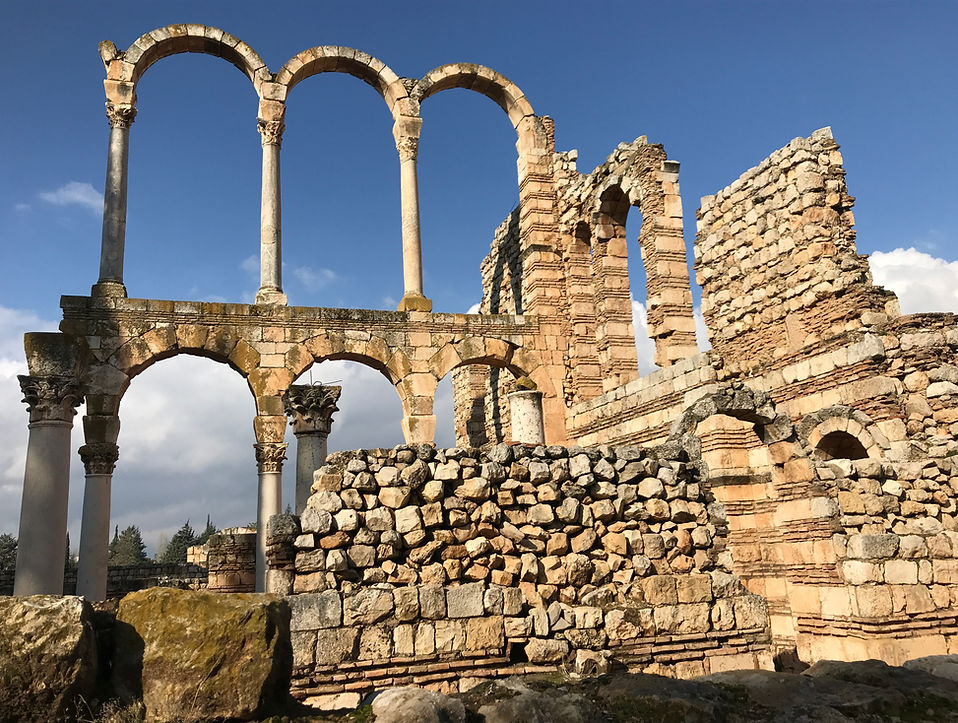
Day 2:
Begin the day at the Ho Chi Minh Mausoleum which is open only in the mornings. It has a strong dress code and you will be refused entry if in a sleeveless shirt.
Walk behind the mausoleum to enter the Ho Chi Minh museum.
You can walk through the dài phun nuôc park if you’re feeling adventurous or if you get lost like we did!
Ho Chi Minh is SO integral to Vietnam history and played an extremely crucial role in Vietnam’s independence from the French in 1945. He was a profound writer and led the independence movement through his powerful writings that were published in newspapers as he appealed to the people of Vietnam, especially the youth to rise and fight. He was there even during the American war in the 1960-70’s even though his health had begun deteriorating. He has left an indelible mark in the hearts and minds of all.
Within the complex, is the One Pillar Pagoda, which dates back to 1049 and was built by King Ly Thai Tong. He wanted to offer gratitude because he believed that he had a child after frequenting the pagodas. Emerging in the shape of a lotus flower, which is Vietnam’s national flower, this pagoda is particularly unique because it stands on a single pillar. In Vietnamese architecture, top of the buildings are often round, representing the sky and yang, and the floors are typically square and yin, depicting the law of balance in the universe, a characteristic found in the Ho Chi Minh museum as well.
If it’s not too hot and you want to catch a guided tour at the Thâng Long Imperial citadel, head to the majestic building to get more insight into Vietnamese history. If you want to avoid the afternoon sun, keep this for early evening or even a night tour when the lights & stars sparkle and spend the afternoon in the Vietnam Military Museum.



Day 3:
Plan a day trip
-
Ha Long Bay or Ba Tu Long bay [Limestone Bay with Beach];
-
Ninh Binh
-
Thai Binh
-
Or spend 2 days in Phong Nha, largest cave in the world

Hoi An
Hoi an, the ancient town, wasn’t impacted by either of the wars and stands strong with buildings from the 15th - 19th century. It has an extremely charming feel that pervades the town during both the day and night!
How long should I plan to spend in the town of Hoi An?
A minimum of 2 days is required to enjoy this lantern city which brings with it many flavors of lights, boat rides, street food specials, historical ancient temples, beaches & souvenirs.
What is the best way to get to Hoi An?
Fly or take a train from Hanoi to Da Nang. From Da Nang, Hoi An is at a distance of 42 kms and it takes an hour by road to reach Hoi An. Our Airbnb arranged a pick up for 300,000 VND (approx INR 960 or $12). If you have a local Vietnamese number, you can book a Grab cab.
What is the best way to move around within Hoi An?
I would recommend hiring a scooter / motorbike that makes the town more easily accessible. Our airbnb facilitated the hiring of a bike.


7 recommendations for Hoi An include:
-
Wandering the old town
-
Visiting five historical buildings with one entrance ticket (such as the Japanese covered bridge, Phung Hung house, Fujian Assembly Hall, House of Ky)
-
As the sun sets, enjoying the lanterns as you take a boat ride
-
Eating Cao Lau
-
Taking a half-day trip to My Son, the ancient temples
-
Spending an afternoon on the beach (An Bang & Hidden beach)
-
Shopping for souvenirs exquisite to Hoi An such as Vietnamese silk


Day 1:
Walk around the Old Town as you get lost in the grid of streets admiring the yellow merchant homes decorated with bougainvillea flowers, discovering secret alleyways, & visiting some of the iconic historical buildings. On the Japanese covered bridge, also known as Chùa Câu, you can buy a ticket that enables entry into five historical buildings. The ticket covers several old houses, temples & pagodas, & museums amongst others. These include Cau Temple inside the bridge, Phung Hung Ancient House, Old house of Tan Ky, Fujian Assembly Hall, Hoi An Museum of History and Culture.
Spend the evening at the night market that begins at 4 PM, where the lanterns mesmerize especially on the very first night of being in Hoi An. Filled with music and street food, the ancient town is lit up by the Japanese bridge or Chùa Câu that is often frequented by dragon dancers. Local to Hoi An is the dish Cao Lau, which is worth trying as you roam the market.
There will be several folks who will attempt to convince you to take a boat ride with a special lantern that you can release in the water. They ridiculously overcharge so avoid falling into their trap. Walk directly to the boat harbor and you can buy yourself a ticket for 75000 VND.



Day 2:
We biked to My Son and arrived at the site by 7 AM to avoid the sun and crowds. An hour away from Hoi An, there is also an option of booking guided tours. Tours, however, need to be pre-booked from Hoi An, there are no tour guides available at the site itself.
As we walked around the ruins, it was incredible to discover the shared influences between Vietnam & India. Champa Kingdom, which ruled from 2nd - 17th century, was deeply inspired by Hinduism & the ruins depict stories, sculptures & carvings of Shiva, indicating a dedication to Shaivite Hinduism as well as an influence of Mahayana Buddhism. My Son served as the political and religious capital of the Champa Kingdom, which emerged as early as AD 192. The dynasty continued to establish itself along the southern coast while engaging in battles, evolving into a decentralized country and eventually, becoming a part of Vietnam.
Entrance fees: 150000 VND / $6.40
Timings: 6 am - 5 pm
Time spent: 2 hours
After a hearty breakfast, you can head to An Bang or Hidden beach for a beach day. There are several shacks for food and drinks at An Bang beach whereas hidden beach is more of a bring your own picnic kind of beach, so totally depends on what you’re seeking.
We culminated our day back around the night market and shopped for souvenirs exquisite to Hoi An.



Hué (pronounced hu-way)
What’s the best way of getting to Hué?
One can take a train from Da Nang, soft seats can be booked for 140970 VND / $6 each. We used a booking office in Hoi An to reserve train tickets because one can only book online, if you’re booking in advance. From Hoi An to the Da Nang railway station, a cab will approximately cost 450000 VND / $19-20 and the journey takes around 2.5 hours.
What is the best way to move around within Hué?
It would be best to hire a bike or a car, because the must-visit sites are at a bit of a distance from each other. We hired a bike from our airbnb for 100000 VND per day / $4.26

Start your day bright and early at the Imperial citadel, which sprawls across 520 hectares and has SO much to explore! One can easily spend the entire day at the citadel, which I would highly recommend if you’re spending more than a day in Hué. If you only have a day, you can get an audio guide for half-a-day, which takes you through the highlights giving you a glimpse into the Nguyen dynasty. After 200 years of civil war, the Nyugen dynasty came to power and was the last Vietnamese dynasty to rule from Hué, the imperial city. The architecture of the Citadel is unique, especially the elaborate gates facing the south because south was the direction for the Kings to rule the country and listen to the people.
Entrance Fees: *If you plan to visit the emperor tombs in Hué as well, which are a must-see, purchase a combo ticket, my recommendation would be to purchase a combo ticket to visit Imperial Citadel, Minh Mang tomb & Khai Dinh tomb for 420000 VND or if you have more time, a ticket for the Imperial Citadel, Minh Mang tomb, Khai Dinh tomb & Tu Duc tomb, for 530000 VND. There is a ticket available for all sites for 580000 VND and all these can be purchased at the Imperial Citadel entrance. If you are planning on visiting more than one site, it doesn’t make sense to buy tickets for individual sites, much much economical to get a combo ticket!


After spending the morning at the Imperial Citadel, head for lunch and eat everything that the royals did!
Some of the Hué specialities include:
Bun Thit Nuon: Noodle with BBQ pork eaten with peanut sauce, and sweet and sour fish sauce with minced chili and garlic
~ Bahn Beo: Steamed Rice Cake with savory ingredients.
~ Bahn Ram It: Sticky rice cake with dried shrimp on a crisp
On the top right,
~ Bahn Nam: Rice flour stuffed with shrimp and pork and steamed in banana leaf
Bottom left follows,
~ Nem Lui: Grilled minced pork in rice paper veggies and peanut sauce
~ Bahn Cuon: BBQ pork and cilantro wrapped in moisture rice paper
~ Banh Khoai: Fried rice pancake with pork, shrimp, and veggies mixed with peanut sauce
Bottom right,
~ Bun Bo Hue: Hue style round noodle soup dish with pork, beef and paste of shrimp and pork
And,
~ Bahn Leo: Casava stuffed with shrimp and pork and steamed in banana leaf (not captured in photographs only savored in our bellies)
Spend the afternoon and the following morning exploring the tombs, the main ones include Minh Mang tomb, Khai Dinh tomb & Tu Duc tomb. Each tomb stands strong in its glory, bringing to life each emperors’ unique characteristics and personalities, keeping their memories alive even today. The tombs are located at a distance from each other, and we biked across each site.
Visit Thien Mu Pagoda, a seven storey stupa where each storey depicts a buddha that appeared in human form. Walk behind the pagoda to enjoy the majestic hundred-year old bonsais!





Ho Chi Minh City
The city serves as a base for a day-trip to Cu Chi Tunnels and Mekong Delta.
Cu Chi Tunnels reveals the underground labyrinth that was constructed during the Vietnam-US war, playing a central role in Vietnam's victory. The Vietnamese lived in these tunnels for more than a decade making it completely self-sufficient including concealed cooking facilities. Materials from bomb explosions were used to recreate artillery and eventually jewelry, which is sold even today. One can crawl through these tunnels as a way of remembering the horrors that Vietnam was subjected to by the Americans.
Two hours away one can take a boat ride through Mekong Delta. Mekong River runs through six South-East Asian countries including Cambodia, Lao PDR, Thailand, Myanmar and China. Spend a fun touristic afternoon exploring snake wine, honey bee cream, local food and handicrafts.


Mũi Né
From Ho Chi Minh, take the reunification train to Mũi Né, which is 4 hours away. Spend a night to enjoy the sunset at the Red Sand Dunes (Doi Hong) and sunrise at the White Sand Dunes (Doi Cat Trang)!